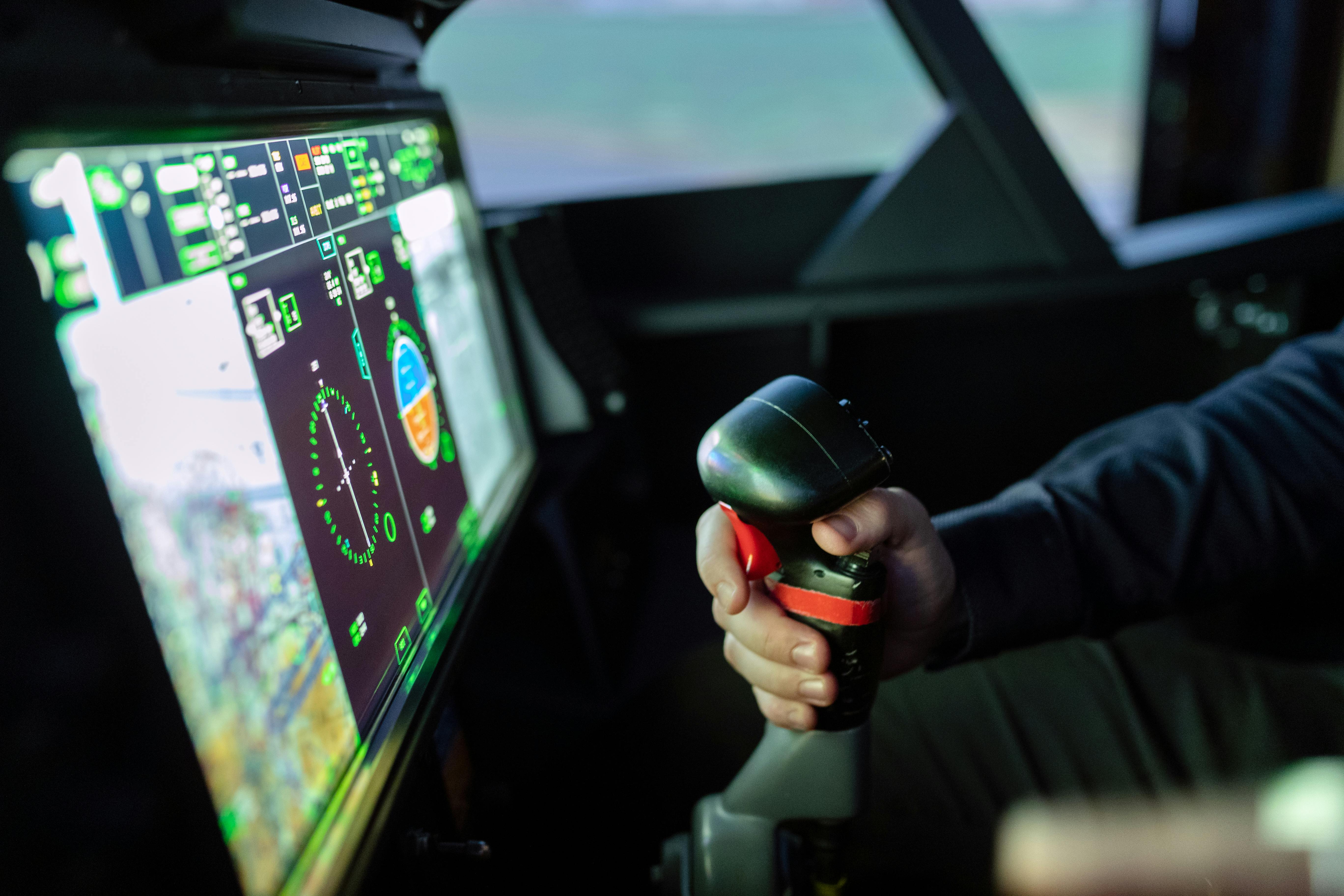
Embarking on the journey to become a pilot is both an ambitious and rewarding endeavor. Pennsylvania, with its diverse landscape and established aviation schools, offers a unique environment for aspiring pilots. The state provides a wide range of opportunities for those ready to take to the skies, whether for personal satisfaction, a career in commercial aviation, or other specialized flight paths. This article explores the steps and considerations involved in pursuing pilot training in Pennsylvania and offers insight into how to navigate this exciting journey effectively.
The Initial Steps
Before enrolling in a flight school in Pennsylvania, it’s crucial to understand the prerequisites and initial phases of pilot training. Here are some key steps to consider:
- Research Various Flight Schools: Investigate different schools and programs to find the one that best matches your needs and goals. Consider factors like location, cost, reputation, and available aircraft.
- Medical Certification: Obtain a medical certificate from an FAA-authorized aviation medical examiner. This certificate is essential for ensuring that you meet the health standards required to fly.
- Choose a Training Path: Decide whether to pursue a private pilot license (PPL), commercial pilot license (CPL), or other specialized certifications.
Flight Training Requirements
Private Pilot License (PPL)
The Private Pilot License is often the first step for many aspiring pilots. It allows you to fly an aircraft solo and carry passengers, albeit not for compensation. Key requirements include:
- Minimum age of 17 years.
- Completion of at least 40 hours of flight training, including solo and dual instruction time.
- Passing a written knowledge test and a practical flight test.
Completing the PPL is a significant milestone and serves as a foundation for further pilot training in Pennsylvania.
Commercial Pilot License (CPL)
For those aspiring to earn a living through flying, the Commercial Pilot License is essential. It requires more extensive training and experience:
- Minimum age of 18 years.
- At least 250 hours of flight time, including both pilot-in-command time and additional training in complex aircraft.
- Passing both a commercial written test and a flight test.
This license opens doors to various aviation careers, including charter services, flight instruction, and more specialized roles.
Advanced Training Opportunities
After securing a CPL, pilots may choose to pursue further certifications and endorsements. These advanced opportunities can include:
- Instrument Rating: Allows pilots to fly in a wider range of weather conditions by relying on instruments for navigation.
- Multi-Engine Rating: Qualifies pilots to operate aircraft with more than one engine, which is often required for career advancement.
- Flight Instructor Certificate: Enables pilots to teach others, often regarded as a stepping stone to building flight hours and experience.
Finding flight training near me for these advanced qualifications is a strategic move for those looking to enhance their skills and broaden their career prospects.
Considerations for Success
Embarking on a pilot career in Pennsylvania requires dedication and careful planning. Here are some tips to ensure success:
- Commitment: Flight training demands time, effort, and financial investment. Ensure you are ready to commit to the journey.
- Networking: Engage with the aviation community through events, forums, and professional organizations to build connections and gain insights.
- Continuous Learning: Aviation is a dynamic field; staying updated with new regulations and technologies is crucial.
By thoroughly preparing and selecting the right pilot training near me, aspiring pilots in Pennsylvania can achieve their aviation goals.
The path to becoming a pilot is a challenging yet immensely rewarding journey. With the right guidance, planning, and resources, success is within reach for those prepared to take flight.