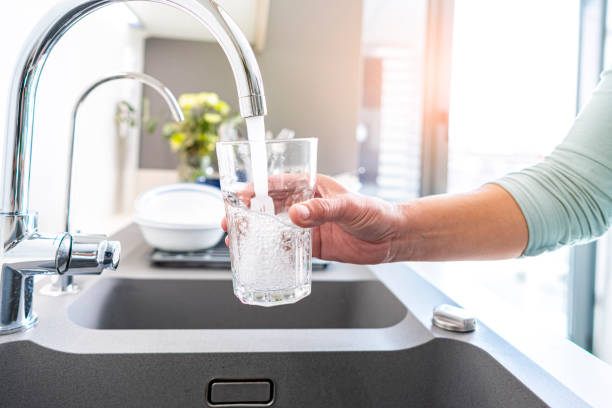
Water quality has become a significant concern in modern times, with contaminants and impurities often finding their way into household water supplies. As such, water purification systems like reverse osmosis have gained prominence for their ability to deliver cleaner, healthier water. Understanding how these systems function can empower individuals to make informed decisions about their water filtration needs.
What is Reverse Osmosis?
Reverse osmosis (RO) is a water purification process that removes contaminants from water by using pressure to force water molecules through a semipermeable membrane. In doing so, impurities such as salts, bacteria, and other particulates are left behind, resulting in purified water.
Key Features of Reverse Osmosis Systems
- Semipermeable Membrane: At the heart of the reverse osmosis system is the semipermeable membrane, which allows water molecules to pass while blocking larger molecules and impurities.
- Pre-Filters: These remove larger particles such as sediment and chlorine, which could damage the delicate membrane.
- Post-Filters: These serve to polish the water, ensuring any residual tastes or odors are eliminated before consumption.
- Storage Tank: Purified water is stored in a tank until needed, ensuring a steady supply of clean water.
How Does Reverse Osmosis Work?
The reverse osmosis process involves several stages, each designed to enhance water quality by eliminating various contaminants:
Stage 1: Pre-Filtration
Water first passes through pre-filters that remove larger particles and chlorine. This step is crucial as it protects the membrane from early degradation.
Stage 2: The RO Membrane
In the reverse osmosis chamber, water is pushed through the semipermeable membrane at high pressure. This is where the bulk of impurities are removed, including dissolved salts, heavy metals, and pathogens.
Stage 3: Post-Filtration
Finally, the water moves through a post-filter, often a carbon filter, which removes any remaining taste or odor issues, ensuring the water is palatable.
To learn about our tailored solutions regarding reverse osmosis systems, consider exploring the detailed guides available.
Benefits of Using Reverse Osmosis Systems
Reverse osmosis systems offer a multitude of advantages for households and businesses alike:
- Effective Contaminant Removal: Capable of removing up to 99% of dissolved salts, particles, and bacteria.
- Improved Taste and Odor: By removing chlorine and other chemicals, water taste is significantly improved.
- Cost-Effective: Reduces reliance on bottled water, leading to long-term savings.
- Convenience: Provides a constant supply of clean water directly from the tap.
To explore advanced guides and tips on enhancing water quality through reverse osmosis, visit the provided resources.
Considerations for Installing a Reverse Osmosis System
Before committing to a reverse osmosis system, several factors should be taken into account:
- Water Usage: Determine the size of the system needed based on daily water consumption.
- Maintenance Requirements: Regular maintenance, such as filter changes, is essential to ensure optimal performance.
- Installation Space: Ensure adequate space is available for installing the system, particularly under the sink.
- Initial Cost: While the initial investment can be substantial, the long-term benefits often justify the expense.
To find out more about this approach to water purification, consider consulting experts who can provide personalized advice and installation services.
Conclusion
Reverse osmosis filter systems represent a powerful tool in the quest for clean and safe water. By understanding their function and considering the relevant factors for installation, individuals can ensure that their water supply is as pure and healthy as possible. For those interested in implementing a reverse osmosis system, discover expert strategies here and take a step towards better water quality.