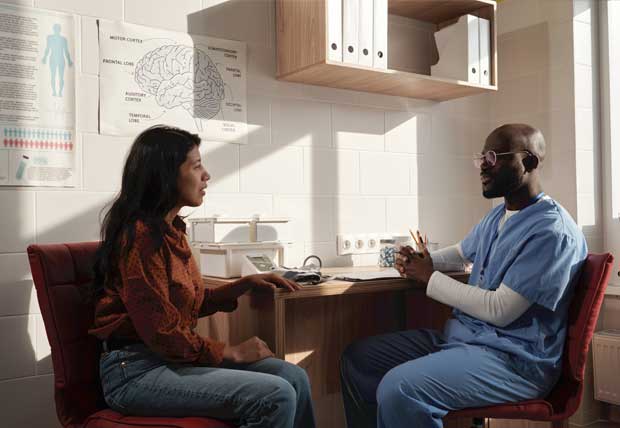
As the digital era continues to evolve, so does the landscape of healthcare. Telepsychiatry, a subset of telemedicine, has emerged as a significant player in the mental health domain. This practice involves providing psychiatric evaluation and care via telecommunications technology, typically video conferencing. Telepsychiatry offers a unique blend of accessibility and convenience, breaking down geographical barriers and making mental health services more attainable for individuals in remote or underserved areas. This article delves into the nuances of telepsychiatry, its benefits, challenges, and its growing role in contemporary mental health care.
What is Telepsychiatry?
Telepsychiatry refers to the delivery of psychiatric assessment and care through digital communication tools. This can include live interactive communication between the patient and psychiatrist, as well as collaborations with other healthcare providers through digital means. The primary goal is to extend the reach of mental health services to those who might not otherwise have access.
Benefits of Telepsychiatry
Telepsychiatry offers numerous advantages, both for patients and healthcare providers:
- Increased Access: Removes geographical barriers, providing mental health services to individuals in rural or remote areas.
- Convenience and Flexibility: Patients can receive care from the comfort of their home, reducing the need for travel and accommodating busy schedules.
- Continuity of Care: Facilitates ongoing management of psychiatric conditions, ensuring consistent treatment and follow-up.
- Cost-Effective: Reduces expenses related to travel and infrastructure for both patients and providers.
These benefits contribute to the growing acceptance and implementation of telepsychiatry as a viable option for mental healthcare. Read more about this topic.
Challenges and Considerations
While telepsychiatry offers many advantages, it also presents certain challenges:
- Technology Barriers: Requires reliable internet connectivity and access to technological devices, which may not be available to everyone.
- Privacy Concerns: Ensuring the confidentiality of patient information is critical, necessitating secure platforms and practices.
- Licensing and Regulation: Providers must navigate varying state regulations and licensing requirements for telehealth services.
- Clinical Limitations: Some psychiatric conditions may still require in-person evaluations and interventions.
Despite these challenges, the integration of telepsychiatry into mental health care continues to expand. Explore further insights here.
Role in Modern Mental Health Care
Telepsychiatry is becoming increasingly integral to modern mental health care systems. Its role is particularly pronounced in the following areas:
Crisis Intervention
Telepsychiatry facilitates immediate access to mental health professionals during crises, providing timely interventions that can be critical in emergencies. It enhances the ability of practitioners to offer support and guidance in real-time, which can be lifesaving in urgent situations.
Chronic Disease Management
For patients with chronic psychiatric conditions, telepsychiatry enables regular check-ins and continuous monitoring, promoting adherence to treatment plans and improving outcomes. Learn more in this detailed guide.
Collaborative Care Models
Integrating telepsychiatry into collaborative care models enhances the coordination between mental health providers and primary care physicians. This approach ensures comprehensive care, addressing both mental and physical health needs effectively.
As telepsychiatry continues to gain traction, it is essential for healthcare systems to adapt and overcome the inherent challenges. By doing so, telepsychiatry can play a pivotal role in transforming mental health care, making it more accessible, efficient, and patient-centered. Find additional information here.