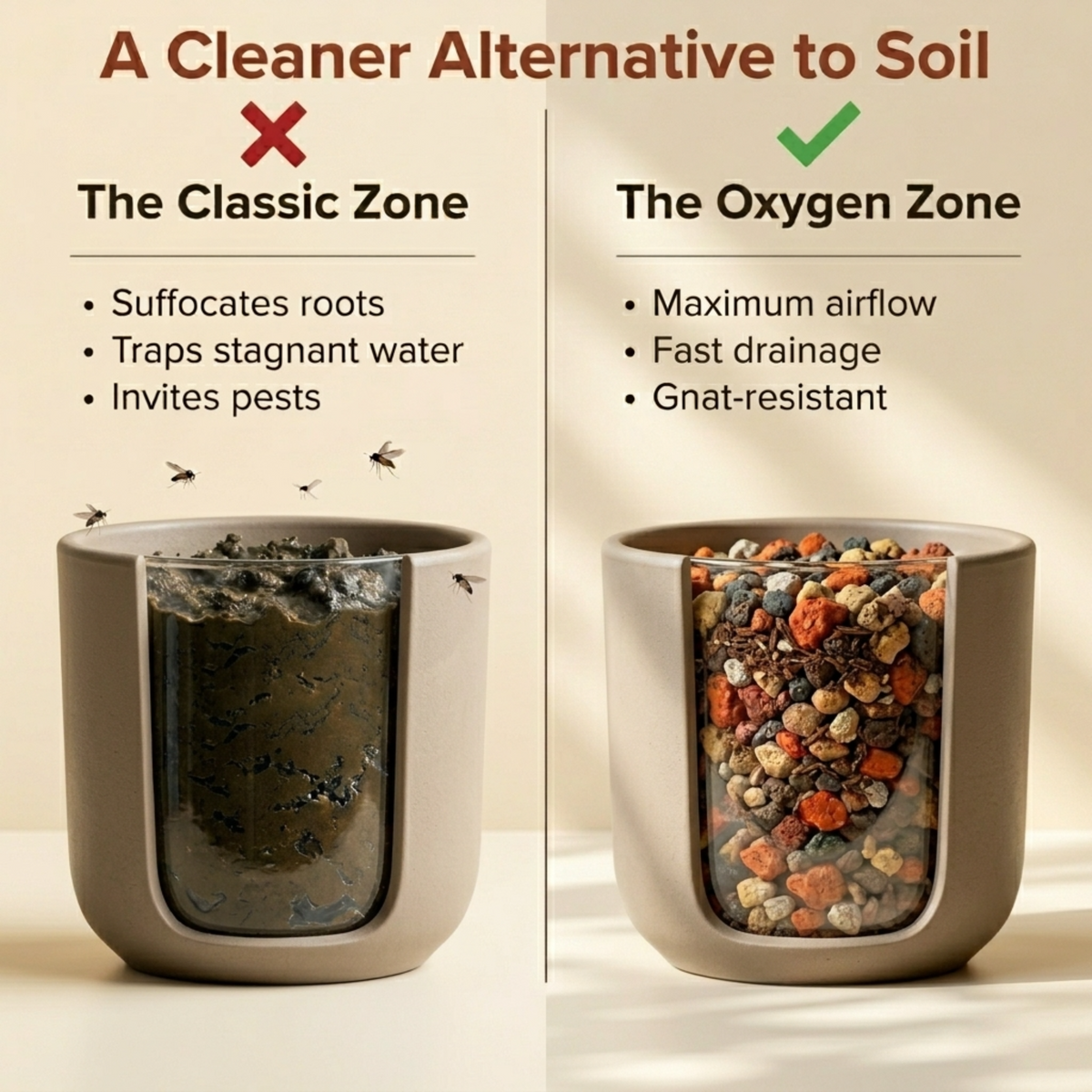
Orchids are among the most popular and beautiful flowering plants, cherished for their diverse shapes and vibrant colors. Ensuring that these exotic plants thrive in a home environment requires a specific type of care, particularly when it comes to the potting mix. The choice of potting mix is crucial for healthy growth as it affects water retention, aeration, and root support. This guide provides essential insights into selecting and maintaining an optimal potting mix for orchids, ensuring they flourish in any setting.
Understanding Orchid Potting Mix Components
Orchids require a unique potting mix that mimics their natural habitat. Unlike typical houseplants, orchids do not grow in soil, so their potting mix must be carefully selected to provide adequate support and nutrients. Common components of a quality orchid plant potting mix include:
- Bark Chips: Often made from fir or pine, bark chips provide excellent drainage and aeration.
- Sphagnum Moss: Retains moisture and provides nutrients, ideal for orchids that require higher humidity.
- Perlite: A lightweight volcanic glass that improves aeration and drainage.
- Charcoal: Helps to absorb impurities and maintain a balanced pH level.
- Coconut Husk: An eco-friendly alternative to bark, offering similar benefits.
Choosing the Right Mix for Your Orchid
Not all orchids have the same potting mix requirements. Factors such as species, environment, and watering frequency influence the best choice. Consider the following when selecting a potting mix:
- Species Specific Needs: Epiphytic orchids like Phalaenopsis thrive in mixes with more bark for aeration, while terrestrial orchids may require more organic matter like sphagnum moss.
- Environmental Conditions: In drier climates, a mix with more moisture-retentive components such as moss may be beneficial.
- Watering Habits: If frequent watering is not possible, opt for a mix that retains moisture longer, such as one with added perlite and moss.
Maintaining Your Orchid’s Potting Mix
Regular Replacement
Orchid potting mixes should be replaced every 1-2 years, as organic components break down over time, reducing their effectiveness. Regular replacement ensures that the mix continues to provide necessary support and nutrients.
Monitoring and Adjusting
Keep an eye on the condition of the potting mix. If you notice compaction or a foul smell, it may be time for a change. Adjust the mix composition based on specific plant needs and environmental changes.
Additional Tips for Healthy Orchid Growth
- Proper Pot Selection: Use pots with adequate drainage holes to prevent waterlogging.
- Consistent Watering Schedule: Orchids prefer a routine. Water thoroughly, allowing the mix to dry slightly between waterings.
- Light and Temperature: Ensure orchids receive ample indirect sunlight and maintain a stable temperature to promote blooming.
- Fertilization: Use a balanced orchid fertilizer monthly to supplement nutrients not provided by the potting mix.
In conclusion, selecting the right potting mix is an integral part of orchid care. By understanding the needs of your specific orchid, choosing the appropriate mix, and maintaining it properly, you can enjoy the beauty of healthy, thriving orchids in your home or garden. For those seeking a reliable option, consider an expertly formulated orchid plant potting mix to ensure optimal growth and bloom.