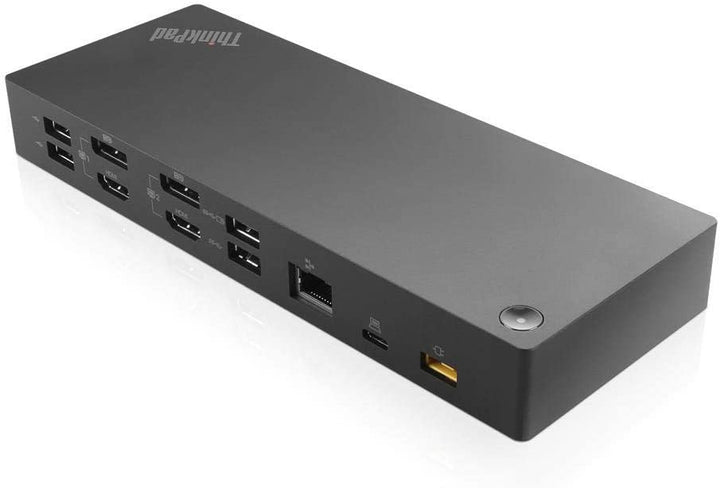
In the digital age, having the right equipment can significantly enhance productivity and efficiency. For professionals and tech enthusiasts alike, a dock station for laptop is an essential accessory. It transforms a portable device into a fully-functional workstation, offering more connectivity options, charging capabilities, and ergonomic benefits. However, with numerous options available, choosing the right docking station can be daunting. This guide aims to simplify the process by breaking down the key factors to consider.
Understanding Your Needs
Before investing in a docking station, it is crucial to assess the specific requirements and use cases. Consider the following factors:
- Port Requirements: Determine the number and type of ports you need. Common ports include USB-A, USB-C, HDMI, DisplayPort, and Ethernet.
- Power Delivery: Check if the docking station provides power delivery to charge your laptop while in use.
- Compatibility: Ensure the docking station is compatible with your laptop model and operating system.
Types of Docking Stations
Port Replicators
Port replicators are the most basic type of docking stations. They expand the number of ports available but do not typically provide power delivery or additional functionalities. They are ideal for users who need extra connectivity without additional features.
Full Docking Stations
Full docking stations offer extensive connectivity options, power delivery, and often support dual or even triple monitor setups. They are suitable for users who require a comprehensive workstation setup.
Key Features to Look For
When selecting a docking station, several key features should be considered to ensure it meets your needs:
- Build Quality: A robust and durable build ensures longevity and reliability.
- Ease of Use: Look for plug-and-play functionality that does not require additional drivers or complex setups.
- Data Transfer Speed: High-speed USB ports can improve data transfer efficiency.
- Video Output Quality: Ensure the docking station supports the video resolution and refresh rate you need for your external displays.
Price Considerations
Docking station prices can vary significantly based on features and brand. It is essential to balance cost with the features required:
- Budget Options: Basic port replicators are available at a lower cost for users with minimal requirements.
- Mid-Range Choices: These usually offer a good balance between price and functionality, suitable for most users.
- Premium Models: High-end docking stations provide extensive features and are ideal for power users needing advanced capabilities.
Conclusion
Selecting the right dock station for laptop can greatly impact productivity and efficiency in a professional setting. By understanding personal needs, the types of docking stations available, and the essential features to look for, users can make an informed decision that best suits their work environment and technological requirements.