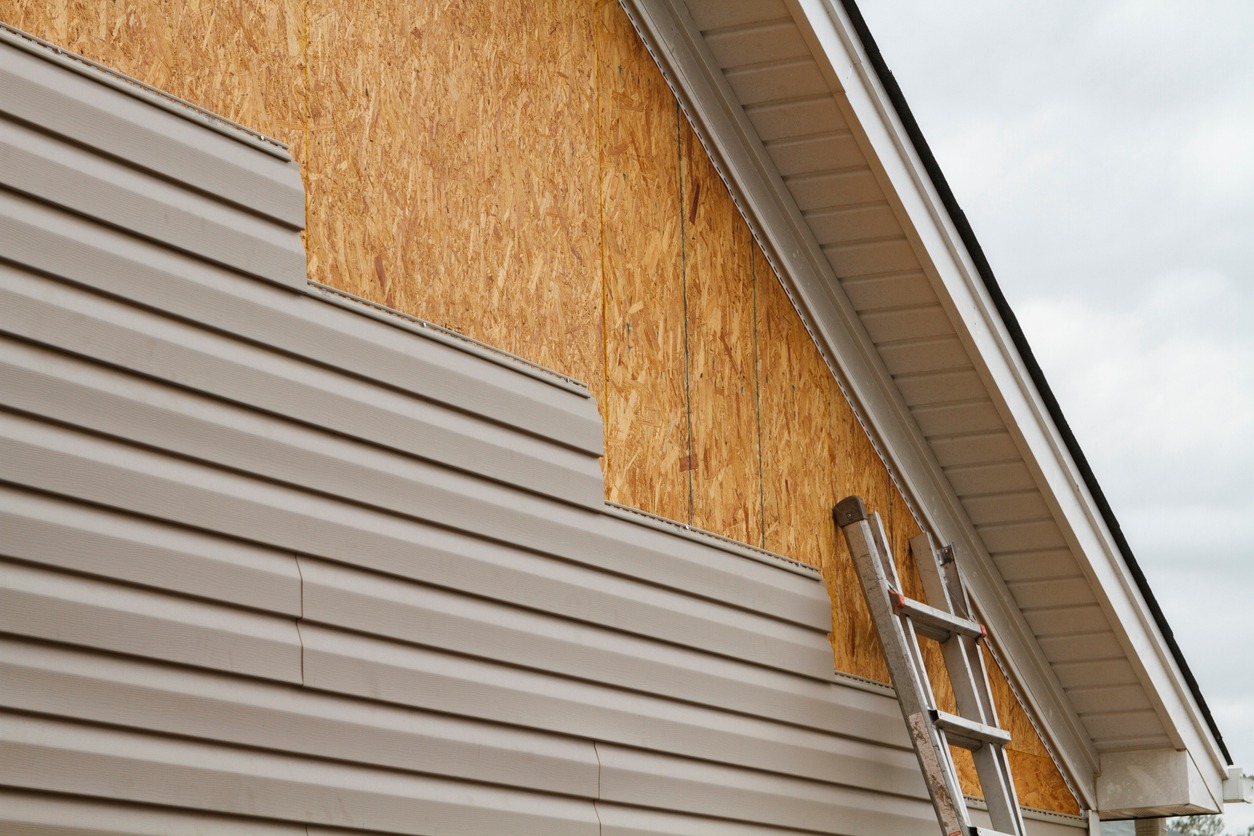
Seamless gutters are an essential component of a building’s drainage system, directing rainwater away from foundations, walls, and landscaping. Proper installation not only enhances the longevity of the roof and siding but also minimizes maintenance requirements and prevents costly water damage. Understanding the key aspects of seamless gutter installation helps property owners make informed decisions and ensures that the system performs efficiently for years to come.
Why Choose Seamless Gutters?
Unlike traditional sectional gutters, seamless gutters are fabricated on-site from a single length of material, eliminating joints that can become leak points. This design offers several functional and aesthetic advantages:
- Reduced risk of leaks due to the absence of seams.
- Custom fit for any roofline, providing a cleaner appearance.
- Lower long-term maintenance because fewer connections mean fewer places for debris to accumulate.
- Improved water flow efficiency, especially during heavy rain events.
For a deeper exploration of the benefits, Read more about this topic.
Key Steps in a Professional Seamless Gutter Installation
1. Site Assessment and Measurement
A thorough site inspection determines the correct gutter size, slope, and placement of downspouts. Accurate measurements are critical to ensure water flows toward designated drainage points without pooling.
2. Material Selection
Common materials include aluminum, copper, and galvanized steel, each offering distinct durability and cost profiles. Selecting the appropriate material depends on climate, architectural style, and budget considerations.
3. Fabrication of the Gutter
Using computer-controlled bending machines, the gutter is shaped to match the exact dimensions of the building. This on-site fabrication guarantees a precise fit and eliminates the need for multiple seams.
4. Installation of Brackets and Hangers
Secure brackets are installed at regular intervals (typically every 24-36 inches) to support the weight of the gutter and water load. Proper spacing prevents sagging and maintains the intended slope of ?? inch per 10 feet.
5. Securing the Seamless Gutter
The fabricated gutter is lifted into place, aligned with the roof edge, and fastened to the brackets. Sealants are applied at corners and joints to ensure a watertight connection.
6. Downspout Integration
Downspouts are attached using elbows and straps, directing water away from the foundation. Where required, splash blocks or underground drainage systems are incorporated to manage runoff efficiently.
To see how each step integrates into a comprehensive plan, Learn more in this detailed guide.
Maintenance Best Practices for Seamless Gutters
Although seamless gutters are designed to be low-maintenance, periodic care extends their lifespan and preserves performance.
- Regular Inspection: Check for debris buildup, especially after storms, and verify that downspouts remain clear.
- Cleaning: Use a garden hose or a gutter scoop to remove leaves, twigs, and sediment at least twice a year.
- Sealant Checks: Inspect seams and corners for any signs of cracking or separation and reapply sealant as needed.
- Slope Verification: Ensure the gutter maintains the proper pitch toward downspouts; adjust brackets if sagging occurs.
Additional guidance on routine upkeep can be found by Explore further insights here.
Common Challenges and How to Address Them
Even well-installed seamless gutters may encounter issues over time. Recognizing these problems early helps prevent extensive repairs.
- Clogged Downspouts: Install leaf guards or mesh screens to reduce debris entry.
- Ice Damming: In colder climates, consider heat tape or insulated gutters to mitigate ice formation.
- Corrosion: Choose corrosion-resistant materials like aluminum or coated steel for areas with high humidity or salty air.
- Improper Pitch: Re-evaluate bracket placement and adjust to restore correct water flow direction.
For solutions tailored to specific scenarios, Find additional information here.
Environmental and Economic Considerations
Investing in seamless gutter systems aligns with both sustainability goals and cost-effectiveness.
- Water Management: Efficient drainage reduces erosion and protects surrounding vegetation.
- Energy Savings: Properly managed runoff can be redirected to rain barrels, supporting water conservation.
- Longevity: Durable materials and leak-free design lower the frequency of replacements, decreasing material waste.
- Property Value: Well-maintained drainage systems are a valued feature in real-estate assessments.
Conclusion
Seamless gutter installation combines precision engineering, appropriate material choice, and meticulous installation techniques to deliver a reliable water-management solution. By following best practices during installation and adhering to regular maintenance schedules, property owners can safeguard their structures against water-related damage while enjoying the aesthetic benefits of a clean, continuous gutter line. For further reading on related home improvement topics, feel free to Read more about this topic.