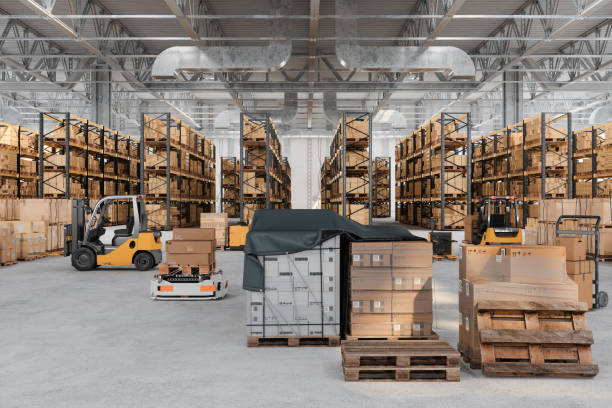
In today?s digitally-driven marketplace, the need for efficient and reliable storage solutions has never been more critical. As businesses aim to meet rising consumer demands while maintaining cost-effectiveness, robotic warehouse automation emerges as a pivotal component in revolutionizing warehouse logistics. By integrating cutting-edge technology with traditional storage methods, robotic solutions offer a seamless blend of efficiency, precision, and scalability.
The Evolution of Warehouse Storage
The transformation of warehouse storage from manual operations to technologically advanced systems is a testament to innovation’s impact on the supply chain. Historically, warehouses depended heavily on manual labor, which was both time-consuming and prone to errors. However, the advent of warehouse automation solutions has led to a significant shift.
Key factors driving this evolution include:
- Increased demand for faster and accurate order fulfillment.
- Rising labor costs and the need to minimize human error.
- Technological advancements making automation more accessible.
- Growing e-commerce sector requiring efficient inventory management.
Understanding Robotic Warehouse Automation
Robotic warehouse automation involves the use of robots and machinery to perform tasks traditionally handled by humans. These systems can range from basic automated warehousing solutions to complex, fully integrated operations.
Benefits of Implementing Robotic Systems
- Efficiency: Robots can work continuously without fatigue, ensuring that tasks are completed faster and more reliably.
- Accuracy: Automation reduces the likelihood of human error, improving inventory accuracy and order fulfillment.
- Cost-Effectiveness: While the initial investment can be significant, the long-term savings on labor and increased productivity offer substantial returns.
- Scalability: As business needs grow, robotic systems can be expanded or modified to accommodate increased demand.
Components of Robotic Warehouse Automation
Effective automation requires a combination of various technologies working in harmony. Key components include:
Automated Guided Vehicles (AGVs)
AGVs are integral to automated storage warehouse systems. These vehicles navigate through the warehouse to transport goods, reducing the need for manual handling.
Robotic Arms
Often used in automated warehouse picking systems, robotic arms handle tasks such as picking, packing, and palletizing with precision and speed.
Warehouse Control Systems (WCS)
An effective warehouse control system is crucial for managing the flow of goods and ensuring that all robotic elements work together seamlessly.
Advanced Software Solutions
Software plays a pivotal role in orchestrating the entire operation, from tracking inventory levels to optimizing warehouse layouts. It is essential for the smooth functioning of automated warehouse systems.
Choosing the Right Automation Partner
Selecting a partner from the numerous warehouse automation companies is a critical step in implementing a successful automation strategy. Considerations should include:
- Experience and expertise in the industry.
- Customizable warehouse automation technologies tailored to specific business needs.
- Support and maintenance services post-installation.
- Proven track record of successful warehouse automation installation.
Conclusion
The integration of robotic systems into warehouse operations represents a significant leap forward in logistics management. By leveraging warehouse automation services, businesses can achieve unparalleled efficiency, accuracy, and scalability. As the landscape of warehousing continues to evolve, embracing these technologies is not just advantageous; it’s essential for staying competitive in a rapidly changing market.