Ensuring safe navigation on water bodies is a paramount concern for all mariners, from recreational boaters to commercial vessel operators. One of the critical aspects of maritime safety is the use of proper navigation lighting. These lights serve as essential aids to prevent collisions and guide vessels through challenging waters, ensuring both visibility and communication with other watercraft. Understanding the correct use of navigation lighting, its regulations, and technological advancements is vital for safe and efficient maritime operations.
Understanding Navigation Lighting
Navigation lights are lights used on watercraft to indicate a vessel’s presence, status, and position in the dark or poor visibility conditions. They are crucial for the following reasons:
- Preventing collisions by making vessels visible to each other.
- Communicating vessel status, such as whether the vessel is at anchor or underway.
- Indicating the size and type of vessel, which is essential for determining the right of way.
Proper navigation lighting is not only a safety measure but also a legal requirement. Regulations often dictate the type, placement, and color of lights depending on the size and type of vessel.
Types of Navigation Lights
Different vessels require different navigation lights, and understanding these types is crucial for compliance and safety:
Sidelights
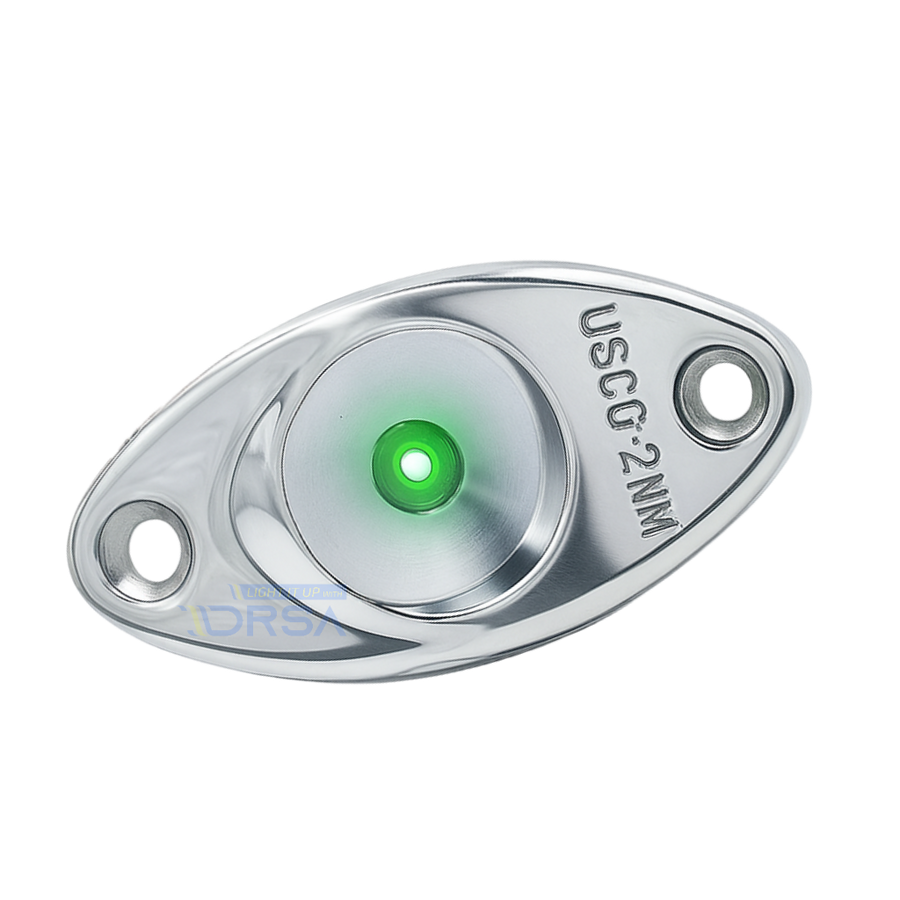
Sidelights are red and green lights that are visible to other vessels approaching from the side or head-on. The red light is on the port (left) side, and the green light is on the starboard (right) side.
Sternlight
A white light placed at the stern of the vessel, visible only from behind, indicating the vessel’s direction and distance.
Masthead Light
This white light is required on all power-driven vessels over a certain length and is visible from all directions in front of the vessel.
All-Round White Light
On smaller vessels, an all-round white light can be used instead of a masthead and sternlight. It is visible from all directions and is often used by vessels at anchor.
Regulatory Compliance and Best Practices
Compliance with regulations regarding navigation lights is a legal obligation. Regulations can vary by country and type of waterway, but they generally cover:
- The color, arc of visibility, and range of lights.
- The placement of lights on the vessel to ensure visibility.
- The period during which lights must be displayed, typically from sunset to sunrise and in conditions of reduced visibility.
It is essential for vessel operators to familiarize themselves with the regulations applicable in their operating area. Regular inspections and maintenance of navigation lights ensure they function correctly when needed.
Technological Advances in Navigation Lighting
Recent advancements in technology have significantly improved the efficiency and reliability of navigation lights. LED technology, in particular, has become increasingly popular due to its energy efficiency, longevity, and brightness. Some of the advantages of modern navigation lighting include:
- Energy Efficiency: LED lights consume less power, which is beneficial for vessels relying on battery power.
- Durability: Modern materials and construction techniques make these lights resistant to harsh marine environments.
- Improved Visibility: Brighter and more consistent light output enhances visibility, improving safety.
Conclusion
Proper navigation lighting is a cornerstone of maritime safety, playing a crucial role in preventing collisions and ensuring communication between vessels. By understanding the different types of navigation lights, adhering to regulatory standards, and embracing technological advancements, mariners can navigate the waters safely and confidently. Staying informed and maintaining the functionality of these essential systems is a responsibility that all vessel operators must prioritize to ensure safe and efficient maritime operations.