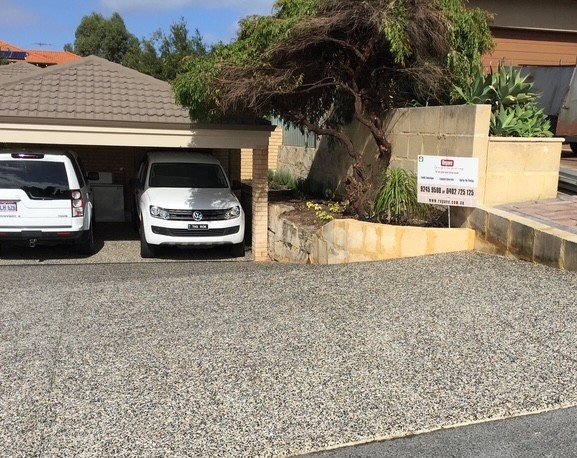
Resurfacing is a crucial technique used to restore and revitalize various surfaces, extending their lifespan and improving their aesthetic appeal. Whether it is for driveways, patios, or industrial floors, high-quality resurfacing is essential to ensure lasting results and reduce future maintenance costs. The process involves applying a new layer of material over an existing surface to cover imperfections, enhance durability, and offer a fresh appearance. This article delves into the importance of resurfacing, the methods employed, and the benefits it offers.
The Importance of Surface Resurfacing
Resurfacing plays a vital role in maintaining the structural integrity and visual appeal of a surface. Over time, exposure to elements and regular wear and tear can lead to cracks, stains, and other damages that compromise the functionality and appearance of a surface. Proper resurfacing provides the following benefits:
- Enhanced durability and longevity of the surface.
- Improved safety by eliminating hazards such as cracks and uneven surfaces.
- Cost savings by delaying the need for complete replacement.
- Increased property value through improved aesthetics.
For more insights on the importance of resurfacing, read more about this topic.
Methods of Resurfacing
Concrete Resurfacing
Concrete resurfacing is a popular method for rejuvenating worn-out concrete surfaces. This process typically involves cleaning the existing concrete surface, repairing any damages, and applying a new layer of concrete. The new layer can be customized with various textures and colors to achieve the desired look. Explore further insights here for a comprehensive understanding of concrete resurfacing.
Asphalt Resurfacing
Asphalt resurfacing is commonly used for roads, driveways, and parking lots. The process includes repairing surface damages, applying a new asphalt layer, and compacting it to ensure a smooth finish. This method is ideal for restoring functionality and visual appeal without the need for complete removal. Find additional information here to learn more about the process and its benefits.
Wood Resurfacing
Wood surfaces, such as decks and floors, can also benefit from resurfacing. This involves sanding the surface to remove imperfections and applying a new finish to protect the wood and enhance its appearance. Proper wood resurfacing not only revitalizes the surface but also protects it from future damage. Learn more in this detailed guide about wood resurfacing techniques and tips.
Benefits of High-Quality Resurfacing
Investing in high-quality resurfacing yields numerous advantages, ensuring that surfaces remain functional, safe, and aesthetically pleasing. Key benefits include:
- Reduction in maintenance costs due to improved surface durability.
- Extended service life of the surface, delaying the need for replacement.
- Aesthetic enhancement that boosts property value.
- Environmental benefits from reducing waste associated with surface replacement.
For those interested in exploring the full range of benefits, read more about this topic.
Conclusion
High-quality resurfacing is an effective solution for maintaining and enhancing various surfaces. By choosing the right resurfacing method and materials, property owners can achieve lasting results that save money, enhance safety, and boost property value. For further details on how resurfacing can benefit different surfaces, explore further insights here.