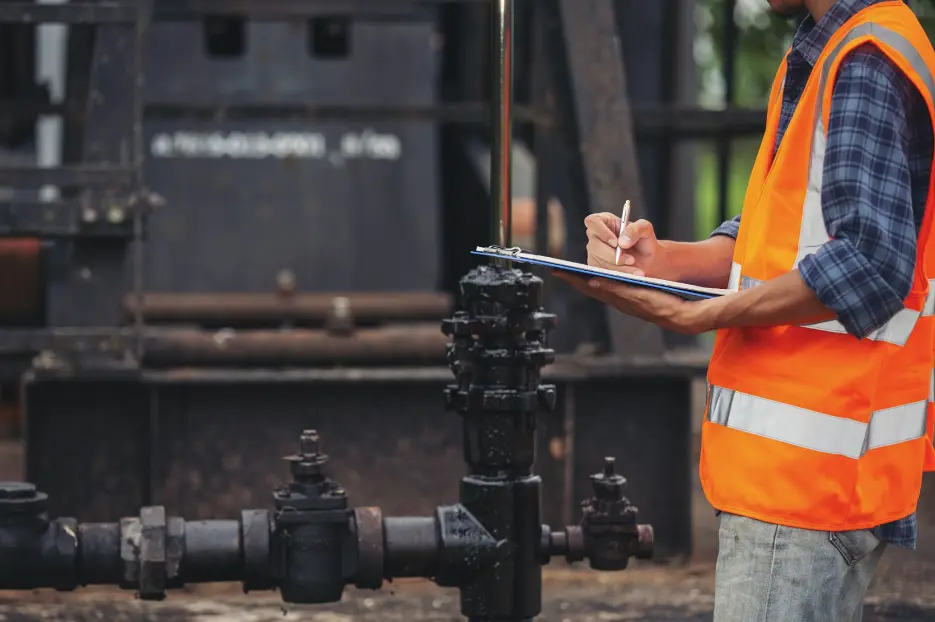
Infrastructure is the backbone of any thriving society, providing the necessary framework for transportation, water supply, and energy distribution. However, the longevity and efficiency of infrastructure can be significantly compromised by corrosion, a natural but detrimental process. Cathodic protection is a proven technique used to safeguard infrastructure from the harmful effects of corrosion, thereby enhancing its durability and reliability. By implementing this method, structures such as pipelines, bridges, and storage tanks can significantly extend their service life, ensuring safety and cost-effectiveness.
Understanding Cathodic Protection
Cathodic protection is an electrochemical process that mitigates corrosion in metal surfaces. It works by converting the entire metal surface into a cathode of an electrochemical cell. This is achieved by supplying an external current or by using a more easily corroded ‘sacrificial’ metal to serve as the anode. The two main types of cathodic protection are:
- Galvanic Protection: Utilizes a sacrificial anode made from a metal more reactive than the structure’s material. This anode corrodes instead of the protected metal, thus preserving the structure.
- Impressed Current Protection: Involves the application of an external power source to drive the protective current from an inert anode to the metal surface.
Applications in Modern Infrastructure
The use of cathodic protection services is essential for various infrastructure projects. Here are some key areas where cathodic protection is applied:
Pipelines
Oil and gas pipelines are susceptible to corrosion due to their extensive exposure to environmental elements. Cathodic protection ensures the integrity of these pipelines, preventing leaks and catastrophic failures. This not only enhances safety but also reduces maintenance costs significantly.
Bridges
Bridges, especially those made of steel, are prone to rust and decay over time. By employing cathodic protection, the structural integrity of bridges is maintained, prolonging their lifespan and ensuring safety for users. This method is particularly beneficial for bridges exposed to harsh weather conditions and saltwater.
Storage Tanks
Both underground and above-ground storage tanks can benefit from cathodic protection. These tanks often contain corrosive substances, making them vulnerable to leaks and environmental contamination. Implementing cathodic protection helps prevent such occurrences, protecting the environment and reducing potential liabilities.
Advantages of Cathodic Protection
Implementing cathodic protection offers several advantages for infrastructure:
- Increased Longevity: Extends the service life of metal structures by protecting them against corrosion.
- Cost-Effective: Reduces the need for frequent repairs and replacements, offering long-term savings.
- Environmental Protection: Prevents leaks and spills, thus safeguarding the environment from contamination.
- Enhanced Safety: Minimizes the risk of structural failures, ensuring the safety of users and operators.
Challenges and Considerations
While cathodic protection is highly effective, it requires careful consideration and expertise to implement successfully. Factors such as the type of structure, environmental conditions, and the specific materials involved must be evaluated to design an appropriate protection system. It is crucial to engage with experienced professionals to ensure the system’s efficiency and reliability.
Conclusion
Cathodic protection is an invaluable technique for enhancing the durability and safety of infrastructure. By effectively mitigating corrosion, it plays a critical role in preserving the integrity of vital structures, from pipelines to bridges and storage tanks. The strategic application of cathodic protection services is essential for any modern infrastructure project, ensuring long-term performance and sustainability. As infrastructure continues to evolve, the importance of integrating robust protective measures like cathodic protection cannot be overstated.