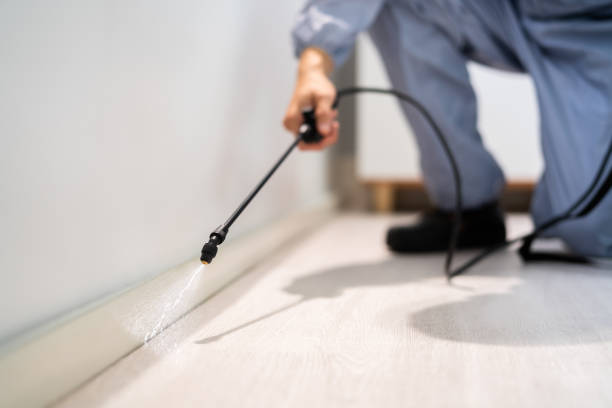
In an era where environmental responsibility is as important as effective pest management, Sydney residents are turning to eco-friendly solutions that safeguard health, preserve biodiversity, and still deliver reliable results. Understanding the specific products that make up an eco pest control Sydney programme helps homeowners and businesses make informed choices and maintain a pest-free environment without compromising on sustainability.
Core Principles Behind Eco-Friendly Pest Products
Eco-friendly pest control relies on three guiding principles:
- Targeted action: Products are formulated to affect only the intended pest species, reducing collateral damage to beneficial insects.
- Reduced toxicity: Active ingredients are selected for low acute toxicity to humans and pets, while still being lethal to pests.
- Biodegradability: Formulations break down rapidly in the environment, minimizing long-term residues.
Commonly Used Eco Products in Sydney
Botanical Insecticides
Derived from plant extracts, botanical insecticides offer a natural mode of action. Popular options include:
- Pyrethrins: Extracted from chrysanthemum flowers, they disrupt the nervous system of insects but degrade quickly in sunlight.
- Neem oil: Sourced from the neem tree, it acts as an antifeedant and growth regulator, especially effective against aphids, whiteflies, and spider mites.
- Essential oil blends: Oils such as peppermint, citronella, and eucalyptus repel a range of indoor pests.
Biopesticides
Biopesticides employ living organisms or their by-products to control pests. Key categories are:
- Microbial agents: Bacillus thuringiensis (Bt) produces toxins that target caterpillars and mosquito larvae without affecting mammals.
- Entomopathogenic fungi: Species like Metarhizium anisopliae infect and kill beetles and soil-dwelling insects.
- Predatory insects: Lady beetles, lacewings, and parasitic wasps are released to naturally suppress aphid and scale populations.
Low-Impact Chemical Options
When a chemical approach is necessary, eco-focused technicians select products with the lowest environmental impact:
- Silica gel dusts: Physically abrade the exoskeleton of crawling insects, leading to dehydration.
- Insect growth regulators (IGRs): Compounds like methoprene interrupt the life cycle of flies, cockroaches, and fleas, preventing maturation.
- Reduced-risk synthetic chemicals: Products such as spinosad, derived from soil bacteria, offer high efficacy with a favorable safety profile.
Application Methods That Enhance Sustainability
Choosing the right delivery system can further reduce environmental impact. Common methods include:
- Spot-treatment: Directly applying product only where pests are observed, limiting overall usage.
- Encapsulation: Encasing active ingredients in biodegradable polymers for controlled release.
- Electro-static sprayers: Produce fine, charged droplets that adhere to surfaces, reducing runoff.
Integrating Eco Products Into a Comprehensive Plan
Effective pest management remains a multi-layered process. Eco-friendly products work best when combined with preventive measures:
- Regular sanitation and waste management.
- Sealing entry points such as cracks, vents, and gaps.
- Landscape maintenance to eliminate harborage for insects.
- Monitoring with traps and visual inspections to detect early infestations.
By embedding these practices, Sydney households can maintain a resilient barrier against pests while keeping chemical footprints low.
Case Study: Residential Application in Sydney
A recent residential project in the Eastern Suburbs demonstrated the practical benefits of an eco pest control Sydney strategy. The homeowner faced recurring ant and spider issues. The technician employed a combination of neem oil sprays for interior walls, silica gel dust in wall voids, and Bt granules in the garden to target ant larvae. Over a six-month period, ant activity dropped by 85 % and no spider webs were observed, all while using products that posed minimal risk to the family’s children and pets.
Regulatory Compliance and Safety Standards
All eco-friendly pest products used in Sydney must comply with Australian pesticide regulations, including registration with the Australian Pesticides and Veterinary Medicines Authority (APVMA). Labels indicate:
- Active ingredient concentration.
- Recommended application rates.
- Precautionary statements for humans, animals, and the environment.
Professional applicators are trained to interpret these labels, ensuring that each treatment adheres to both efficacy and safety standards.
Future Trends in Sustainable Pest Management
The industry is moving toward even greener solutions. Emerging technologies include:
- RNA interference (RNAi): Gene-silencing techniques that target specific pest species without affecting non-target organisms.
- Smart monitoring devices: IoT sensors that detect pest activity and trigger automated, low-dose releases of biopesticides.
- Carbon-neutral formulations: Products manufactured using renewable energy and carbon-offset programs.
These innovations promise to further reduce reliance on conventional chemicals while maintaining high control standards.
Conclusion
Choosing the right products is central to a successful eco pest control Sydney program. By prioritizing botanical insecticides, biopesticides, and low-impact chemicals, and by applying them through targeted, environmentally conscious methods, property owners can achieve effective pest suppression without compromising health or the ecosystem. Continuous monitoring, preventive maintenance, and adherence to regulatory guidelines complete the holistic approach, ensuring a pest-free environment that aligns with Sydney’s growing commitment to sustainability.