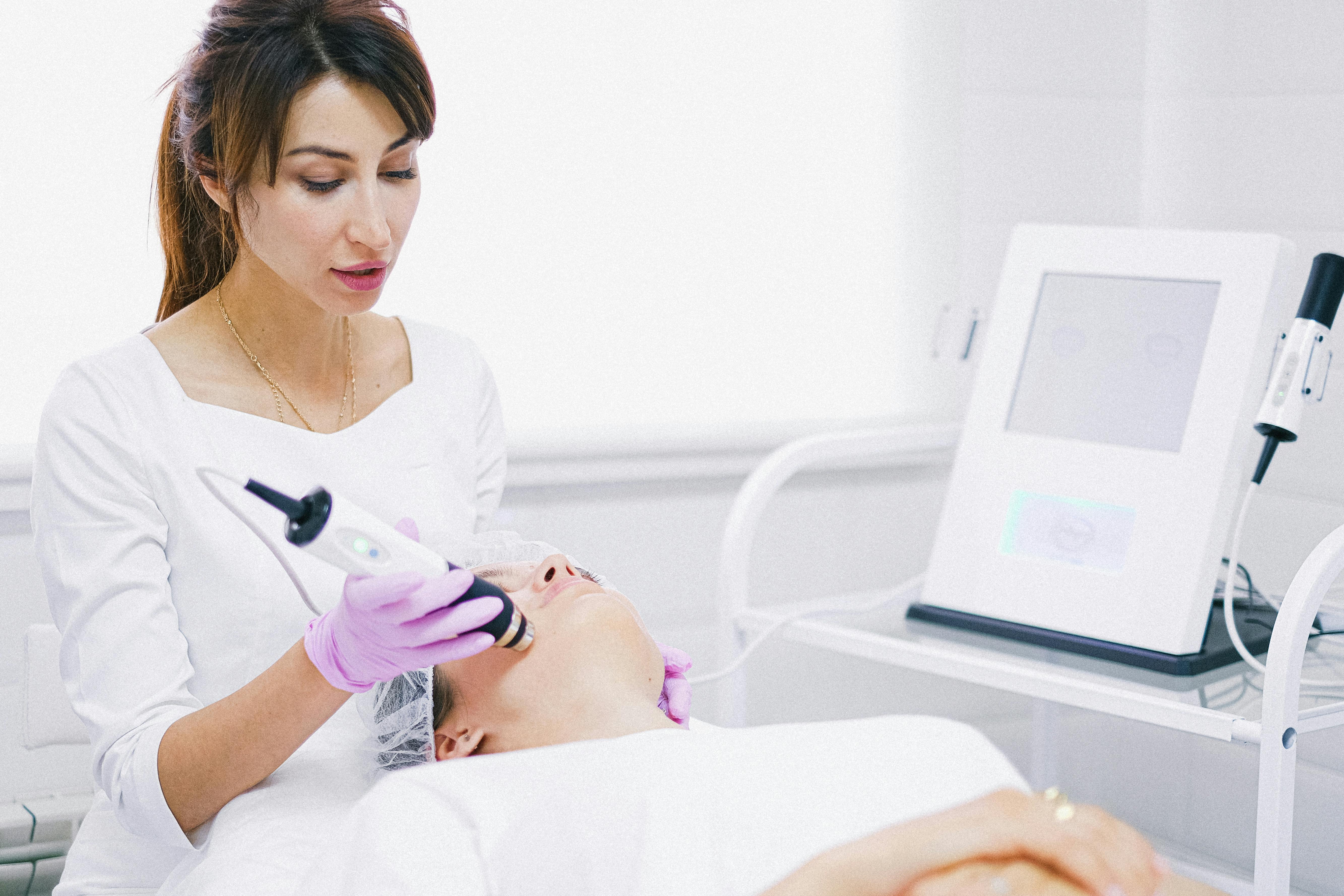
Flawless skin is often perceived as a symbol of vitality and health. However, achieving and maintaining such skin can be challenging due to various environmental factors, lifestyle choices, and genetic predispositions. Corrective skincare solutions are designed to address specific skin concerns, ranging from acne and hyperpigmentation to aging and sensitivity. By understanding the science behind these solutions, individuals can make informed decisions to enhance their skincare routines effectively.
Understanding Corrective Skincare
Corrective skincare focuses on addressing specific skin issues through targeted treatments. Unlike general skincare routines, corrective approaches are personalized to tackle unique concerns.
Key Components of Corrective Skincare
- Exfoliation: This process involves removing dead skin cells to promote cell turnover, revealing smoother skin beneath.
- Hydration: Maintaining skin moisture is crucial for barrier function and overall skin health.
- Protection: Sunscreen and antioxidants are vital in protecting the skin from harmful UV rays and environmental pollutants.
- Targeted Treatments: Serums and creams with active ingredients such as retinoids, vitamin C, and peptides are used to address specific concerns.
Addressing Common Skin Concerns
Various skin issues can be effectively managed with corrective skincare solutions. Understanding the underlying causes of these concerns is essential for successful treatment.
Acne and Blemishes
Acne is one of the most common skin concerns, affecting individuals of all ages. Corrective solutions for acne often include:
- Salicylic Acid: A beta hydroxy acid that helps to unclog pores and reduce inflammation.
- Benzoyl Peroxide: An antibacterial agent that targets acne-causing bacteria.
- Retinoids: These promote cell turnover and reduce the formation of acne lesions.
For an in-depth understanding of acne treatments and their effectiveness, read more about this topic.
Hyperpigmentation
Hyperpigmentation refers to dark patches on the skin, often resulting from sun exposure or hormonal changes. Treatments include:
- Vitamin C: Known for its brightening properties, it helps to reduce dark spots.
- Hydroquinone: A skin-lightening agent that decreases melanin production.
- AHAs: Alpha hydroxy acids exfoliate the skin, promoting an even skin tone.
Learn more in this detailed guide about managing hyperpigmentation effectively by visiting this site.
Aging Skin
As skin ages, it loses elasticity and develops fine lines and wrinkles. Corrective skincare for aging skin incorporates:
- Peptides: These help stimulate collagen production to improve skin firmness.
- Retinoids: Effective in reducing wrinkles by promoting skin renewal.
- Antioxidants: They protect the skin from oxidative stress, which can accelerate aging.
Explore further insights here for anti-aging strategies that can be incorporated into your routine by visiting this page.
Implementing Corrective Skincare Solutions
To successfully integrate corrective skincare solutions, it is essential to start with a proper assessment of your skin type and concerns. Consulting with a skincare professional can provide personalized recommendations tailored to your needs.
- Patch Testing: Always test new products on a small skin area to check for adverse reactions.
- Consistency: Regular use of corrective products is key to seeing significant improvements.
- Patience: Skin improvements may take time, and patience is crucial for achieving desired results.
For more guidance on implementing these solutions, find additional information here.
In conclusion, corrective skincare solutions offer a targeted approach to achieving flawless skin. By addressing specific concerns with the right products and treatments, individuals can enhance their skin’s appearance and health. The key is to remain informed, patient, and consistent with the chosen regimen.