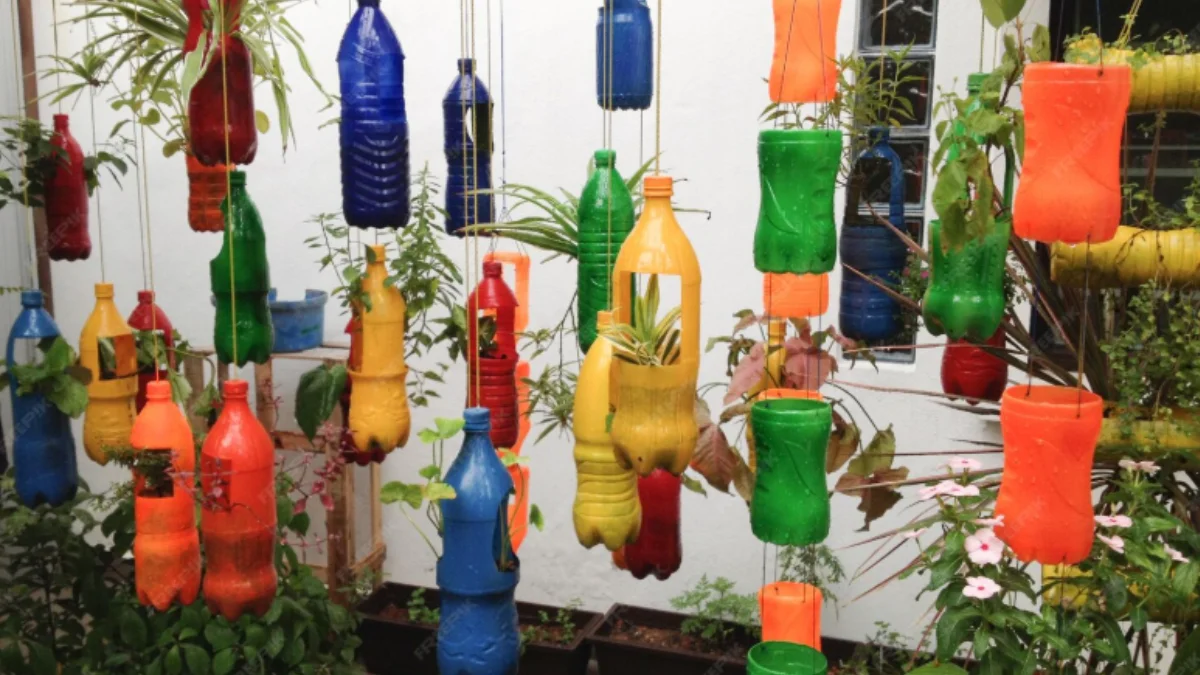
Gardening is a rewarding and fulfilling activity that not only beautifies your surroundings but also contributes to a healthier environment. Whether you’re a novice gardener or have years of experience, understanding the fundamentals of gardening and planting is crucial for successful growth. This comprehensive guide aims to equip you with the knowledge and tools necessary to create a thriving garden space.
Choosing the Right Plants
Selecting the right plants for your garden is the first step toward a successful gardening experience. Consider the following factors when making your choice:
- Climate: Understand the climate zone of your area to choose plants that will thrive.
- Soil Type: Test your soil to determine its type and pH level, which will influence plant selection.
- Sun Exposure: Identify areas in your garden that receive full sun, partial shade, or full shade.
- Water Requirements: Choose plants that align with your watering capabilities and local water availability.
- Maintenance Level: Decide how much time and effort you can dedicate to garden maintenance.
For more detailed guidance on plant selection, learn more in this detailed guide.
Preparing Your Garden
Soil Preparation
The foundation of a healthy garden lies in well-prepared soil. Follow these steps to ensure your soil is ready for planting:
- Clear Debris: Remove weeds, rocks, and other debris from the planting area.
- Add Organic Matter: Incorporate compost or well-rotted manure to enrich the soil with nutrients.
- Aerate the Soil: Use a garden fork or tiller to loosen the soil, improving its structure and drainage.
- Test and Amend: Conduct a soil test to identify nutrient deficiencies and amend accordingly.
Explore further insights on soil preparation here.
Creating a Planting Plan
A well-thought-out planting plan can enhance the aesthetic appeal and health of your garden. Consider these elements:
- Garden Layout: Sketch a layout that includes plant groupings based on height, color, and bloom time.
- Succession Planting: Plan for continuous harvest by planting crops in succession.
- Companion Planting: Utilize companion planting techniques to improve growth and deter pests.
Find additional information on creating an effective planting plan here.
Planting Techniques
Proper planting techniques are essential for ensuring the healthy growth of your plants. Follow these guidelines:
- Depth and Spacing: Plant seeds and seedlings at the recommended depth and spacing for optimal growth.
- Watering: Water plants immediately after planting and maintain consistent moisture levels.
- Mulching: Apply a layer of mulch to retain soil moisture and suppress weeds.
Read more about this topic and improve your planting techniques here.
Maintaining Your Garden
Regular Care
Consistent maintenance is key to a thriving garden. Implement these practices:
- Weeding: Regularly remove weeds to reduce competition for nutrients and water.
- Pest Control: Monitor for pests and employ organic or chemical control methods as necessary.
- Pruning: Trim dead or overgrown branches to encourage healthy growth and flowering.
- Fertilization: Apply fertilizer as needed, based on plant requirements and soil test results.
For additional tips on garden maintenance, explore further insights here.
Seasonal Considerations
Adapt your gardening practices to suit seasonal changes by keeping these considerations in mind:
- Spring: Focus on planting, fertilizing, and pest control.
- Summer: Prioritize watering and managing heat stress.
- Fall: Harvest mature crops and prepare the garden for winter.
- Winter: Protect plants from frost and plan for the upcoming growing season.
Learn more about seasonal gardening practices to ensure year-round success.