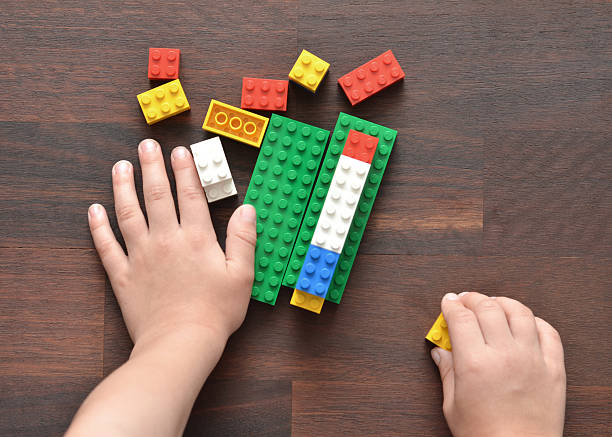
In a world where therapeutic methodologies are constantly evolving, LEGO therapy has emerged as a dynamic and engaging way to support individuals, particularly children, in developing social skills. This innovative approach leverages the universal love for LEGO building blocks, transforming play into a structured therapeutic tool that fosters communication, collaboration, and problem-solving skills. As the interest in LEGO therapy training grows, understanding the fundamentals and benefits of this approach is crucial for educators, therapists, and caregivers seeking to enhance their therapeutic repertoire.
Understanding LEGO Therapy
LEGO therapy is not merely about assembling bricks; it’s a structured intervention designed to improve social competence. Developed by Dr. Daniel LeGoff in the mid-1990s, this approach utilizes the engaging and tactile nature of LEGO bricks to create an interactive and supportive environment for learning. Participants work in small groups to build LEGO models, with each member assigned specific roles that encourage communication and teamwork.
Key Components of LEGO Therapy
- Structured Play: Participants follow specific roles such as builder, supplier, and engineer, which help in developing turn-taking and role-adherence skills.
- Social Interaction: Group settings encourage verbal and non-verbal communication, fostering the development of social skills in a naturalistic context.
- Problem Solving: Engaging in collaborative tasks enhances critical thinking and problem-solving abilities.
Benefits of LEGO Therapy
The benefits of LEGO therapy extend beyond simple play, offering profound impacts on social and emotional development. Here are some of the key advantages:
- Enhanced Social Skills: By participating in group activities, individuals learn to communicate effectively and work collaboratively.
- Increased Self-Esteem: Successfully completing tasks boosts confidence and encourages a sense of accomplishment.
- Improved Focus and Attention: The engaging nature of LEGO building aids in extending attention spans and improving concentration.
- Emotional Regulation: Engaging in a structured task helps in managing emotions and reducing anxiety.
Implementing LEGO Therapy in Practice
Implementing LEGO therapy requires a thoughtful approach to ensure its effectiveness. Practitioners should consider the following steps:
Training and Resources
Obtaining the appropriate LEGO therapy training is essential. Training programs provide the necessary knowledge and skills to implement this therapeutic method successfully. Resources such as instructional guides, workshops, and online courses can provide valuable insights and practical strategies.
Setting Up the Environment
- Space and Materials: A quiet and distraction-free environment with ample space for building activities is crucial. Ensure an adequate supply of LEGO sets to facilitate varied sessions.
- Group Dynamics: Consider the individual needs and dynamics of group members to maximize engagement and participation.
Conclusion
LEGO therapy presents an innovative and effective way to support social and emotional development in individuals, particularly children with autism and other social communication challenges. By embracing this creative and interactive approach, therapists and educators can unlock new pathways for learning and growth. For those interested in incorporating this method into their practice, pursuing specialized LEGO therapy training can provide the necessary skills and confidence to make a meaningful impact.