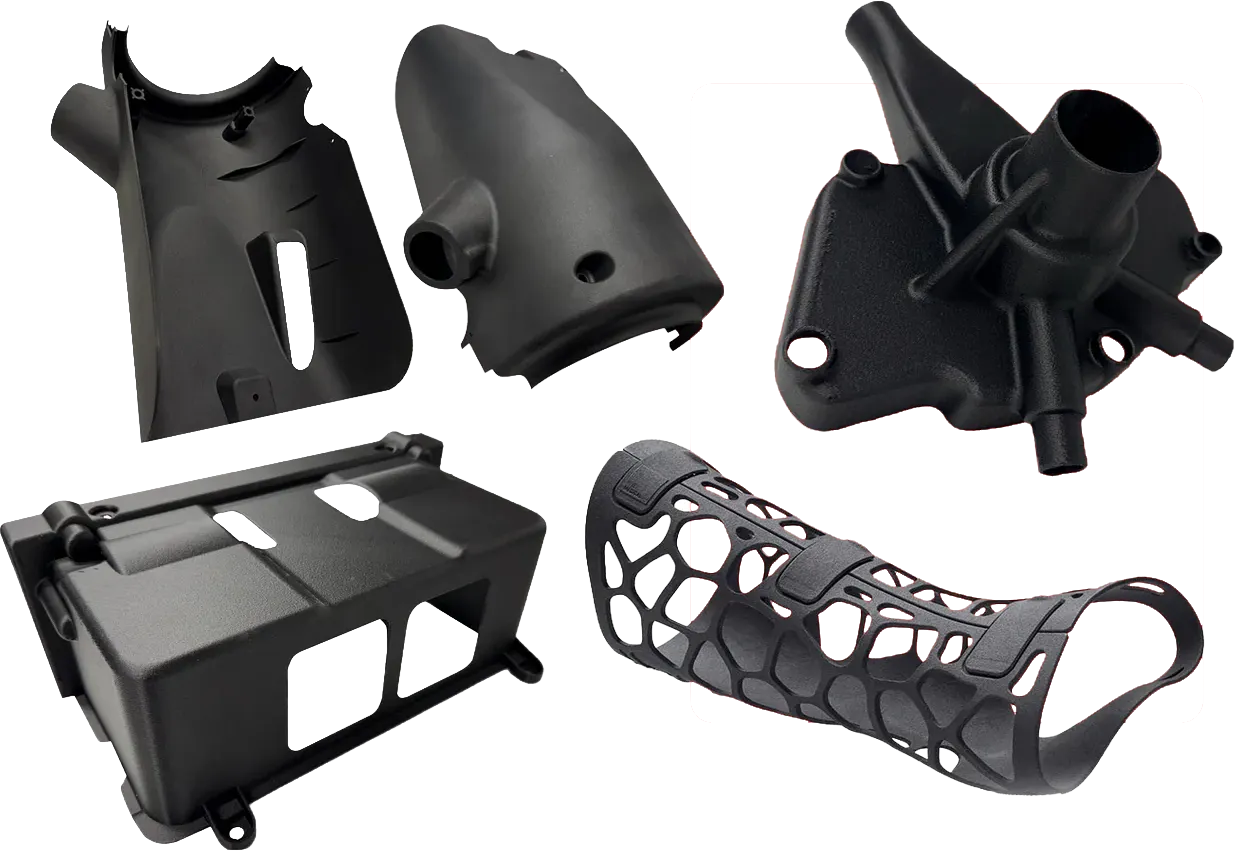
In the dynamic and fast-paced world of product development, rapid prototyping has emerged as a pivotal tool for innovation and efficiency. Rapid prototyping services enable designers and engineers to transform their concepts into tangible models quickly and accurately, facilitating a faster and more reliable route from idea to implementation. This process is essential for testing, validation, and refinement of products before they reach the market, significantly reducing the time and cost associated with traditional prototyping methods.
The Importance of Rapid Prototyping
Rapid prototyping plays a crucial role in the product development cycle by allowing for swift iterations and modifications. This capability is indispensable for businesses seeking to maintain competitiveness in increasingly crowded markets. The benefits of rapid prototyping include:
- Speed: Rapid prototyping significantly cuts down the time required to create a model, allowing for quicker feedback and iteration.
- Cost Efficiency: By enabling early detection of design flaws, rapid prototyping helps in minimizing costly errors in later stages of product development.
- Enhanced Collaboration: Physical models facilitate better communication among team members and stakeholders, ensuring a shared understanding of the product’s design and functionality.
For more insights into the significance of rapid prototyping, explore further insights here.
Technological Advancements in Rapid Prototyping
With continuous advancements in technology, rapid prototyping has evolved to encompass a range of techniques and materials, each with its unique advantages. Some of the most prevalent methods include:
- Stereolithography (SLA): Uses a laser to cure liquid resin into hardened plastic, ideal for creating highly detailed and smooth-finished prototypes.
- Selective Laser Sintering (SLS): Fuses powdered material through laser without the need for support structures, suitable for producing durable and functional parts.
- Fused Deposition Modeling (FDM): Involves extruding thermoplastic filaments to build parts layer by layer, widely used for its versatility and low cost.
To delve deeper into the technologies transforming prototyping, read more about this topic.
Choosing the Right Prototyping Service
When selecting a rapid prototyping service, several factors should be considered to ensure that the service aligns with the specific needs of the project:
- Material Selection: Ensure the service offers a wide range of materials suitable for the intended application of the prototype.
- Technology Capability: Verify that the service provider has the necessary technology and expertise to meet the design complexity and precision requirements.
- Turnaround Time: Evaluate the provider’s ability to deliver prototypes within the required timeframe to maintain project timelines.
For a comprehensive guide on selecting prototyping services, learn more in this detailed guide.
Applications and Industries Leveraging Rapid Prototyping
Rapid prototyping is utilized across various industries, from automotive and aerospace to healthcare and consumer electronics. Its applications are vast and include:
- Product Design and Development: Enables designers to experiment with different forms and functionalities before final production.
- Medical Devices: Facilitates the creation of custom and complex medical devices tailored to individual patient needs.
- Educational Purposes: Provides educational institutions with the tools to teach students about design and manufacturing processes through hands-on experience.
To understand how different sectors benefit from rapid prototyping, find additional information here.
Conclusion
Rapid prototyping services are indispensable for accelerating the product development process, enhancing innovation, and reducing costs. By adopting these services, businesses across various industries can effectively bring complex ideas to life with precision and efficiency. As technology continues to advance, the capabilities and applications of rapid prototyping will undoubtedly expand, providing further opportunities for innovation and growth. To stay updated on the latest trends and insights in rapid prototyping, consider visiting resources like this site regularly.