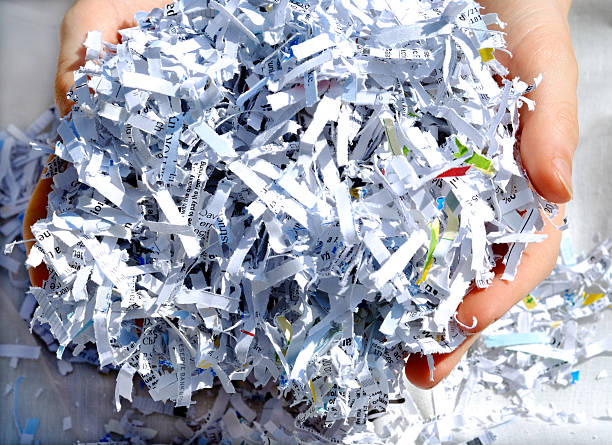
In today’s environmentally-conscious society, recycling plays a pivotal role in managing waste and conserving resources. Among the many types of waste materials, shredded paper often poses a unique challenge. While it is a recyclable material, not all recycling facilities accept shredded paper due to its small size and the potential for contamination. Understanding the importance of recycling shredded paper is crucial for both environmental sustainability and efficient waste management.
Why Shredded Paper Recycling Matters
Recycling shredded paper is not just about reducing waste; it holds significant environmental benefits. Here are some key reasons why it is important:
- **Resource Conservation:** Shredded paper recycling helps save trees by reducing the demand for virgin paper. This conservation of resources is essential in maintaining biodiversity and reducing deforestation.
- **Energy Savings:** Recycling paper consumes less energy compared to producing new paper from raw materials. This energy efficiency contributes to lower greenhouse gas emissions.
- **Waste Reduction:** Properly recycling shredded paper reduces the volume of waste sent to landfills, which in turn decreases methane emissions”?a potent greenhouse gas.
- **Economic Benefits:** The recycling industry provides economic opportunities by creating jobs in the collection, processing, and marketing of recycled materials.
Challenges in Shredded Paper Recycling
Despite its benefits, recycling shredded paper presents some challenges:
- **Contamination:** Shredded paper can easily become contaminated with other materials, making it difficult to recycle.
- **Processing Issues:** The small size of shredded paper particles can cause problems during the recycling process, such as clogging machinery or mixing with non-paper items.
- **Limited Acceptance:** Not all recycling facilities accept shredded paper, often due to the aforementioned contamination and processing challenges.
Effective Solutions for Recycling Shredded Paper
To overcome these challenges, several strategies can be employed:
- **Using Clear Bags:** Collect shredded paper in clear bags to prevent contamination and make it easier for recycling facilities to identify and process the material.
- **Community Programs:** Participate in local recycling programs that specifically accept shredded paper. Some regions offer specialized services for collecting and processing shredded paper.
- **Shredding Best Practices:** Keep shredded paper separate from other recyclables to prevent contamination and ensure it remains a viable material for recycling.
For those looking to recycle shredded paper efficiently, it is important to stay informed about local guidelines and services available for paper recycling.
Environmental Impact and Sustainability
Recycling shredded paper contributes substantially to sustainability efforts:
- **Reduced Carbon Footprint:** By recycling shredded paper, carbon emissions are minimized, helping to combat climate change.
- **Enhanced Recycling Rates:** Encouraging more people to recycle shredded paper can significantly improve overall recycling rates, contributing to a more sustainable future.
- **Circular Economy:** Recycling promotes a circular economy by turning waste materials into valuable resources, reducing the need for raw material extraction.
Understanding the environmental impact of recycling shredded paper is essential for fostering a sustainable lifestyle. More information on effective shredded paper recycling practices can empower individuals and communities to make a positive difference.
Conclusion
Recycling shredded paper is a necessary step towards a more sustainable and environmentally-friendly approach to waste management. Despite the challenges, the benefits of recycling shredded paper are clear. By implementing effective solutions and staying informed about local recycling options, individuals and businesses can contribute to a healthier planet. Emphasizing the importance of shredded paper recycling can lead to significant environmental and economic benefits, paving the way for a greener future.